
How to Clean a Fiberglass Boat: Pro Tips & Products to Use
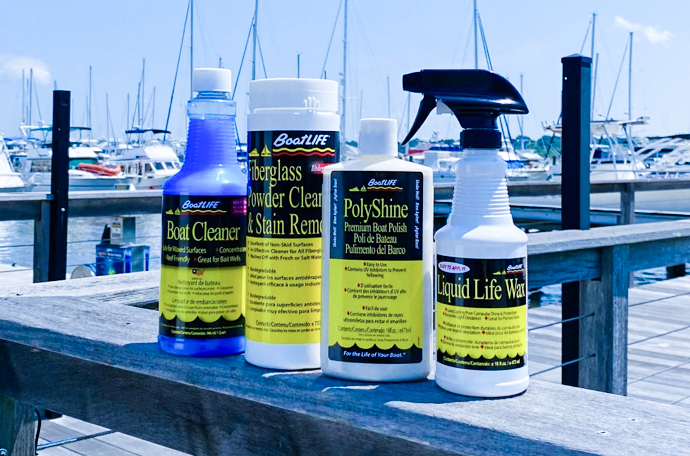
Fiberglass boats are built to last, but keeping them looking sharp takes regular care. Between sun exposure, oxidation, salt, and grime, your gelcoat can quickly lose its shine if not properly maintained. The good news? With the right approach and the right marine-grade products, cleaning a fiberglass boat is fast, easy, and incredibly effective.
This guide breaks down how professionals clean fiberglass boats, step-by-step, plus the best products to use so you can keep your vessel looking new all year long.
1. Rinse the Entire Boat to Remove Salt & Surface Dirt
Always start with a strong freshwater rinse. This removes salt, dust, dried algae, and loose grit that can scratch the gelcoat when you scrub.
✔ Tip: Use a high-pressure nozzle but stay safe around seals, decals, and electrical areas.
2. Wash with a pH-Neutral Marine Soap
A proper boat wash matters. Household soaps strip wax and damage gelcoat — but a pH-balanced marine soap cleans without removing protective layers.
Look for formulas that:
Lift dirt fast
Are salt-neutralizing
Are biodegradable
Leave a slick, glossy finish
Use a soft brush for hull sides and a microfiber mitt for sensitive areas.
3. Deep-Clean Stubborn Spots
After the wash, inspect the hull. Areas that stay dull or chalky likely need targeted cleaning:
For rust or waterline stains:
Use an acid-free stain remover.
For grime stuck in non-skid areas:
Use a nonskid deck cleaner formulated for fiberglass.
For mold or mildew:
Use a marine mildew stain remover safe for gelcoat.
✔ Tip: Never use abrasive brushes or pads — they scratch fiberglass.
4. Remove Gelcoat Oxidation (If Needed)
Oxidation is the biggest enemy of every fiberglass boat. If your hull looks faded, hazy, or chalky, you’ll need a fiberglass compound or oxidation remover.
Choose the right strength:
Light oxidation: cleaner wax
Moderate oxidation: medium compound
Heavy oxidation: cutting compound + rotary buffer
Work in small sections and finish with a microfiber towel for a smooth shine.
5. Apply a Protective Wax or Sealant
After cleaning and compounding, always protect the gelcoat.
You can choose between:
Traditional marine wax
Deep glossy shine
4–8 weeks of protection
Polymer sealants
Longer durability (2–4 months)
Excellent UV protection
Ceramic coating sprays (2025–2026 trend)
Extreme hydrophobic protection
Months of shine
Easiest to apply
Perfect for saltwater environments
✔ Tip: The more UV protection, the less oxidation you deal with later.
6. Clean Windows, Vinyl, & Metal
A full fiberglass detail isn’t complete without the finishing touches:
Glass cleaner for windshields
Vinyl cleaner + protectant for seats
Metal polish for rails and cleats
These small areas dramatically improve the overall look.
7. Final Rinse & Dry
Rinse to remove any residue and dry with a chamois or microfiber drying towel to avoid water spots.
If the water beads strongly, your protection is working!