
Boat Oxidation Removal: Step-by-Step Guide to Restore a Like-New Shine
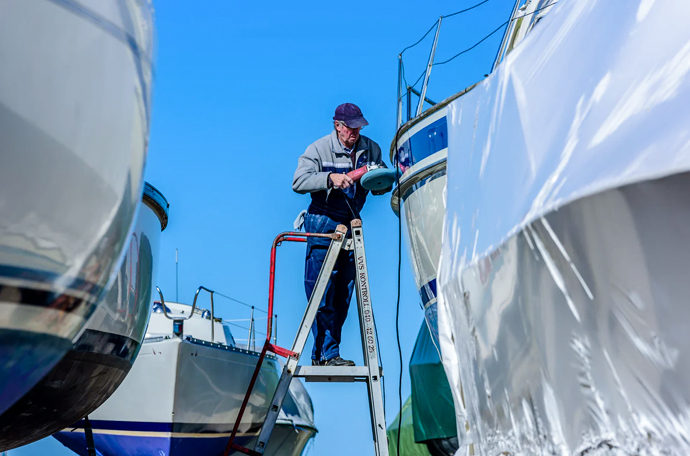
Boat Oxidation Removal: Step-by-Step Guide to Restore a Like-New Shine
Boat oxidation is every boater’s headache — dull fiberglass, chalky surfaces, faded gelcoat, and that tired look you just can’t ignore. The good news? With the right process, you can restore a deep, glossy, like-new shine without paying for expensive detailing.
This guide gives you the exact steps, recommended products, and expert tips to bring your boat back to life — fast.
What Causes Boat Oxidation?
Oxidation happens when the sun’s UV rays break down the outer layer of your gelcoat or fiberglass. Add saltwater, heat, and poor maintenance, and the glossy finish eventually becomes dull and chalky.
Common signs:
Faded color
Chalky or powdery surface
Loss of shine
Rough texture
Yellowing on white surfaces
How to Remove Boat Oxidation (Complete Step-By-Step)
1. Start with a Deep Wash
Before restoring shine, remove dirt, salts, oils, and old wax.
Use: Marine-grade boat soap + soft-bristle brush
Tip: Stay away from dish soap — it strips essential protective coatings.
2. Evaluate the Level of Oxidation
This determines how aggressive you need to be.
Light oxidation: Slight dullness
Moderate: Visible chalky areas
Heavy: Color faded, surface rough
The stronger the oxidation, the more cutting power you’ll need.
3. Apply an Oxidation Remover or Rubbing Compound
This is where the magic happens.
Light oxidation: Use a cleaner wax
Medium oxidation: Use a polishing compound
Heavy oxidation: Use rubbing compound + a rotary polisher
Pro Tip: Apply in small sections. Work horizontally and vertically for even coverage.
4. Polish to Restore the Gloss
After compounding, polishing refines the surface and boosts shine.
Use: Marine polish + foam polishing pad
Goal: A smooth, high-gloss, mirror-like finish
Tool: Dual-action polisher for best results
5. Seal with Wax or Ceramic Coating
This is the MOST important step to prevent oxidation from returning.
Options:
Carnauba wax (easy, great shine)
Synthetic marine sealant (best durability)
Ceramic coating (premium long-term protection)
Reapply:
Wax: Every 6–8 weeks
Sealant: Every 4–6 months
Ceramic coating: Yearly or every 2 years
6. Maintain It
Once restored, keep oxidation away with:
Regular washing after each trip
UV protectant sprays
Covering the boat when not in use
Keeping wax protection fresh
Consistent care = no more chalky gelcoat.
Pro Tips from Experienced Boaters
Avoid working in direct sunlight — compounds dry too fast.
Use microfiber towels to prevent micro-scratches.
If the surface still looks hazy after compounding, repeat the pass.
Water spots can mask shine — always rinse thoroughly.
Use tape to protect decals and rubber trim.
What removes oxidation from a boat?
Oxidation is removed using marine rubbing compound or oxidation remover, followed by polishing and waxing to restore shine and protect the surface.
Can I remove oxidation without a buffer?
Yes, but results won’t be as deep or even. A dual-action buffer dramatically improves the finish and reduces manual effort.
How often should I wax my boat to prevent oxidation?
Wax every 6–8 weeks for best UV protection, especially in sunny states like Florida.
What causes severe oxidation on fiberglass boats?
UV exposure, saltwater, heat, and lack of protective coatings accelerate oxidation and breakdown of the gelcoat.
Is heavy oxidation permanent?
Not usually. Most oxidation can be corrected with compounding and polishing. Extremely neglected surfaces may need wet sanding or professional restoration.